
"coffee tree cultivation"
9000 article(s) found

Introduction to the cultivation of coffee beans in Ethiopia _ how to buy coffee beans in Ethiopia
Professional coffee knowledge exchange more coffee bean information please follow the coffee workshop (Wechat official account cafe_style) Ethiopia is located between 3 and 14 degrees north latitude, coffee planting area of nearly 600000 hectares. There are two rainy seasons a year in the south and east of the country, while there is only one rainy season in the west. The distribution of the rainy season is different, so coffee is harvested in Ethiopia all the year round. Coffee
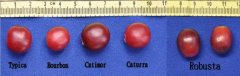
Coffee cultivation techniques how to cultivate coffee seeds pruning and fertilization of coffee
Professional coffee knowledge exchange more coffee bean information please follow the coffee workshop (Wechat official account cafe_style) A coffee tree bears fruit several times a year. Coffee is a perennial evergreen shrub of Rubiaceae. At present, there are two kinds of coffee with economic value: Coffea arabica (Arabica) and Coffea canephora (Robusta).

Colombia Huilan Fine Coffee Bean Variety Planting Market Price Profile
Colombia huila: Located in southwestern Colombia, it is one of the major coffee-growing regions. Because there are famous coffee cultivation sites all over the Huilan area, the names of each small area become brand names and circulate. Although the cultivation conditions in this area are also very good, the cultivation infrastructure of coffee cultivation farms and surrounding conditions is not yet
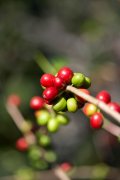
Can I plant coffee trees at home?
The origin of the coffee tree is Ethiopia in Africa. In botany, coffee trees belong to the evergreen trees of the subgenus Rubiaceae, and coffee beans, commonly known as coffee beans, are the seeds of the fruit of coffee trees, just because they are shaped like beans, so they are called coffee beans. Climate is the decisive factor for coffee cultivation. Coffee trees are only suitable for growing in the tropics or subtropics, so latitude 2.

Coffee trees, raw coffee beans and ripe beans tell you what coffee is.
Now coffee has come into our lives, and all kinds of coffee shops are all over the streets. While we enjoy delicious coffee, do you know the origin of coffee? The planting conditions of coffee trees the origin of coffee trees is in Ethiopia, Africa. In botany, the coffee tree belongs to the evergreen tree of the coffee subgenus of Rubiaceae, and the so-called coffee bean is coffee.

What is organic coffee? What are the characteristics of organic coffee cultivation technology?
Organic coffee is coffee that does not use synthetic pesticides, herbicides or chemical fertilizers during its growth. These ways of growing coffee are conducive to maintaining a healthy environment and keeping the groundwater pure. After the coffee is harvested, be sure to use an organically certified roaster to process the coffee beans. Organic coffee is made of beans grown in the shade of trees.

Which countries and regions can grow coffee? Why?
Since coffee trees are tropical plants, they need to be planted in warm places. The main planting area is distributed between latitude 25 south and latitude 25 north with the equator as the center, so this area is also called the coffee belt. However, even in the coffee belt, Arabica and Robeska do not grow in exactly the same area, but grow up in an environment that is more suitable for their own growth.

Which countries and regions can grow coffee? Why?
Since coffee trees are tropical plants, they need to be planted in warm places. The main planting area is distributed between latitude 25 south and latitude 25 north with the equator as the center, so this area is also called the coffee belt. However, even in the coffee belt, Arabica and Robeska do not grow in exactly the same area, but grow up in an environment that is more suitable for their own growth.

What are the four main types of coffee trees?
Ethelsa species Ethelsa species is a variety discovered only in 1904, native to the Charlie River Valley in Africa, small fruit, high yield per plant, especially a drought-resistant variety. The product has strong flavor and slightly bitter taste. It is less cultivated in Liberia. Liberia is a large-grain species. It is native to Liberia in Africa and a few countries such as Malaysia. It's been cultivated longer

A brief introduction to the Market Price of High-quality and pollution-free Ugandan Fine Coffee Bean varieties
Uganda is the country of origin of coffee grown in Robusta, but commercial cultivation of Arabica species here did not begin until early 1900. Today, there are still a large number of wild robusta coffee trees in Uganda, which is rare in cities in the world. As a landlocked country, the large coffee cultivation in Uganda is often interplanted, where coffee trees are mixed with food crops and rubber trees.

The History of Coffee trees what are the environmental requirements for planting coffee trees
In fact, the Arabs began to grow coffee in 525 BC, and chewing fried coffee beans became popular in the Arab region. In 890 AD, Arab merchants sold coffee beans to Yemen, and Yemenis made coffee beans into drinks for the first time. In the 15th century, coffee was introduced into Europe, Asia and soon into America. By the 18th century, tropical and subtropical regions around the world were widespread.

Cultivation techniques of Coffee Tree Seedling Propagation and Establishment of Coffee Garden
(1) Seedling propagation Coffee seedling propagation can be divided into seed propagation and asexual reproduction. 1. Seed propagation (1) seed collection, seed washing and seed storage during the full ripening period of coffee (the full ripening period of medium-grain coffee in Hainan Island is from February to March, and that of small seed is from September to November). The fully ripe fruits are picked from strong and high-yielding mother trees to make seeds. After the fruit is harvested, peel and wash the seeds immediately. The method is to remove the fruit.

Introduction to the history of coffee cultivation in Venezuela what are the coffee brands in Venezuela
Professional Coffee knowledge Exchange more information on coffee beans Please follow the coffee workshop (official Wechat account cafe_style) the first taste of Coffee made me feel amazing. Although Venezuela introduced coffee trees from Martinique in 1730, coffee production was almost abandoned at the height of the oil industry. Fortunately, coffee cultivation has begun to recover recently.
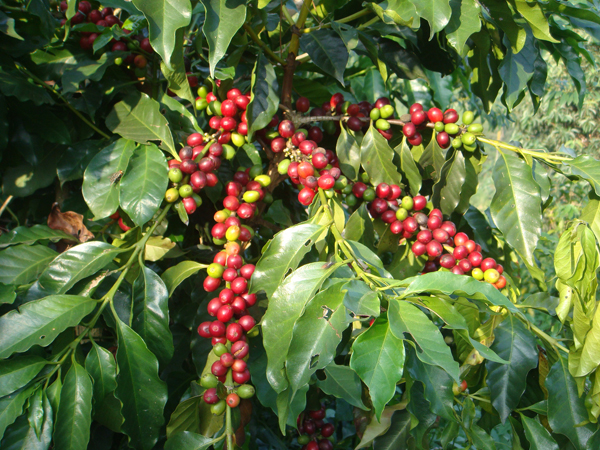
Explain the planting and cultivation of coffee trees in detail to understand the growth environment and needs of coffee trees.
(1) Seedling propagation Coffee seedling propagation can be divided into seed propagation and asexual reproduction. 1. Seed propagation (1) seed collection, seed washing and seed storage during the full ripening period of coffee (the full ripening period of medium-grain coffee in Hainan Island is from February to March, and that of small seed is from September to November). The fully ripe fruits are picked from strong and high-yielding mother trees to make seeds. Immediately after the fruit is harvested, peel and wash the seeds. The method is to place the fruit.

Introduction to the cultivation of El Retono Coffee in Comayagua small Tree Manor in Gongmayagua producing area of Honduras
Professional barista exchange please pay attention to the coffee workshop (Wechat official account cafe_style) Honduras small tree manor El Retoo belongs to Comayagua Sebastian town San Sebastian, Gongma yagua producing area, up to 1780 meters above sea level, coffee variety is mainly Kaduai Catuai, manor owner Suyapa Suyapa Leticia Argueta Suazo believes that although Kaduai is vulnerable to disease

Uganda Coffee Natural conditions of coffee cultivation in Uganda
For more information on coffee beans, please follow the Coffee Workshop (official Wechat account cafe_style). In Uganda, small farmers interplant their coffee trees with traditional food crops, often using banana trees and other shade. In this self-sufficient condition, coffee grows naturally and blossoms twice a year on average. END

Tanzanian boutique coffee Kilimanjaro and Meru mountain barista coffee tree cultivation
From Kenya further south into Tanzania, Tanzanian coffee is a member of the East/Central African coffee family, most of which are washed beans, so it usually tastes bright and has a strong aroma. Tanzanian coffee definitely has the strength to compare with neighboring Kenya. However, the country's coffee quality control is not strict, and many of the sloppy processing processes often destroy the coffee classification into AA and A grades.

Colombia Fine Coffee Bean Flavor Taste Aroma Description
Colombia huila: Located in southwestern Colombia, it is one of the major coffee-growing regions. Because there are famous coffee cultivation sites all over the Huilan area, the names of each small area become brand names and circulate. Although the cultivation conditions in this area are also very good, the cultivation infrastructure of coffee cultivation farms and surrounding conditions is not yet

Basic knowledge of coffee cultivation basic knowledge of coffee
What is coffee? Coffee is the fruit of a Rubiaceae plant growing about 6000 feet above sea level, distributed on the world's narrow subtropical axis; coffee trees grow green all the year round and can grow up to 20 feet tall, and are generally controlled at 8 to 10 feet for easy harvest. It takes three to five years for the coffee tree to bear fruit. First of all, it produces small white flowers that resemble jasmine in shape and size.